|
Blade Runner Returns To Theaters, DVD By Rich Drees
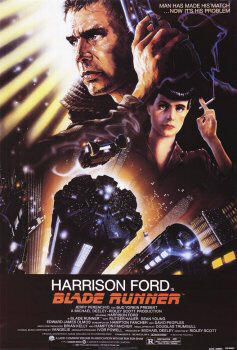
According to a report this morning in Daily Variety, a new limited-edition home video release of the film’s 1992 Director’s Cut will be released in DVD, HD-DVD and Blu-ray formats this coming September. This version will be available for four months before being withdrawn.
In 2007, Blade Runner: The Final Cut will be released into theaters to celebrate the film’s 25th anniversary. This new version has been personally supervised by Scott and will contain previously unseen scenes.
The Final Cut version of the film will be just one of the four different edits of the film to be included in the Ultimate Blade Runner package planned for later in 2007 for DVD, HD-DVD and Blu-Ray formats. The set will also contain numerous extra features which have not yet been announced. The DVD sets are currently being overseen by producer Charles de Lauzirika, who worked with Scott on the special-edition DVD releases of the director’s Gladiator, Blackhawk Down and Kingdom Of Heaven as well as the 9-disc Alien Quadrilogy set.
Although a box office disappointment upon its initial release, Scott’s futuristic noir film of retired police officer Deckard (Harrison Ford) hunting down rogue androids in a dystopian future has earned itself an ever-growing fan base. Although the 1992 Director’s Cut version has been released on both VHS and DVD, much has been written about the film’s various edits – including a workprint used at a small amount of audience test screenings, the film’s original theatrical release and an international theatrical release version – sparking interest for a home video release which would encompass these various edits.
Previously, two
different versions of Scott’s Legend (1986) had been released
on DVD, allowing fans of the director to compare its European
release with the studio mandated edits made to the picture for its
States-side release.
Warner Brothers, who holds the distribution rights to the movie, has acknowledged that they have been interested in assembling a comprehensive DVD release of Blade Runner, but have been prevented from doing so due to ongoing legal complications. These complications stem back to the film’s original production. By contract when the Scott and the production went over-budget, the film’s bond-completion guarantors, Jerry Perenchio and television producer Bud Yorkin, assumed ownership of the film. In the intervening years, they have proven reluctant to co-operate on Blade Runner related projects.
According to Paul Sammon, author of the comprehensive book Future Noir: The Making Of Blade Runner, Perenchio and Yorkin disliked the film and often clashed with Scott. Although the director won most of these creative battles, the guarantors still forced him to remove a scene in which Deckard dreams of a unicorn and to include a voice-over narration by Ford and a final scene to give the film a happier ending than what Scott had envisioned. Ironically, when initially released, these two additions were the target of much criticism from film critics and audiences.
The 1992 Director’s Cut version of Blade Runner was created after a 70mm blowup of the film’s workprint, which had been used at test screenings in Dallas and Denver, was discovered by archivist Michael Arick. After select Los Angeles screenings of the print, now billed as a “Director’s Cut,” sold out, Warner Brothers announced plans for a national art house release. Scott, however, expressed concerns over the workprint’s temporary music, incomplete color correction and other technical inadequacies. The studio and director reached an agreement to use the workprint to create a version that Scott felt he could, in good conscious, call a Director’s Cut.
Amongst the many changes Scott requested be made to the film include the removal of Ford’s voice-over narration and the more upbeat ending that had been mandated by the film’s guarantors Perenchio and Yorkin as well as the re-insertion of Deckard’s unicorn dream sequence. However, due to the press of deadlines to have the Director’s Cut version made available for its limited theatrical release and Scott’s attention focused on the production of his film 1492: Conquest Of Paradise, this edition of the film did not quite meet his expectations and in later interviews expressed an interest in going back to create what he hoped would be his definitive vision for the film. |
 May 26, 2006- Seminal
science-fiction classic Blade Runner (1982) will return to
DVD later this year in a special two-disc edition. It will be
followed by a theatrical release of a newly edited version of the
film supervised by director Ridley Scott in early 2007 and a release
of a special multi-disc Ultimate Blade Runner DVD set to
celebrate the film’s 25th anniversary later in the year.
May 26, 2006- Seminal
science-fiction classic Blade Runner (1982) will return to
DVD later this year in a special two-disc edition. It will be
followed by a theatrical release of a newly edited version of the
film supervised by director Ridley Scott in early 2007 and a release
of a special multi-disc Ultimate Blade Runner DVD set to
celebrate the film’s 25th anniversary later in the year.