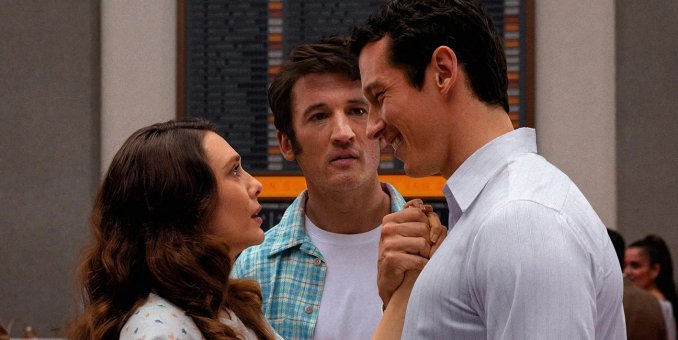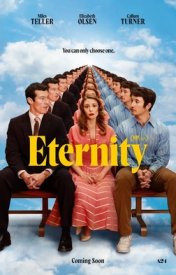
On its surface, Eternity seems like a fun and fresh variation on a standard romantic comedy love triangle. But once you start to dig into the premise for a moment, things start to fall apart. The rules of this afterlife seem screenwriter-engineered to push the plot along a specific path rather than the characters and their choices dictating the story’s direction. And boy, oh boy, are there a lot of rules. When Larry first arrives at The Junction, he and the audience are essentially given a lecture on how everything works. It’s basically a five minute info dump with a few jokes scattered in to keep our attention. But it stops the film cold. We’ve been to a number of cinematic afterlife’s before – from 1941’s Here Comes Mr. Jordan to 1991’s Defending Your Life – but never have we visited one with such a list of regulations. As expected, all of these rules become important later on and the film works hard to not seem as if they are just ticking them off a list as our characters run up against them. One you know is coming arrives so late in the film’s third act that you may grow impatient waiting for its reveal.
But what’s really unbelievable about the film’s story is that a situation like the story here doesn’t happen more often in this version of the afterlife. The film tries to handwave it away early on by saying everyone just heads off to their own preferred afterlife, content in the knowledge that their loved ones, who they will never see or interact with again, are perfectly happy in the afterlife of their choice. But the two relationships that Joan had in life are not portrayed as anything more magical or special than any other couple. While the normalness of her life and two marriages is what makes the situation relatable to the audience, it does raise the question as to why isn’t this playing out hundreds or even thousands of times a day at Junction. The question as to what makes Joan, her first marriage to Luke and second marriage to Larry so absolutely special that they are breaking the norms of Junction is never really addressed. And that makes the film ultimately bit of a disappointment.