
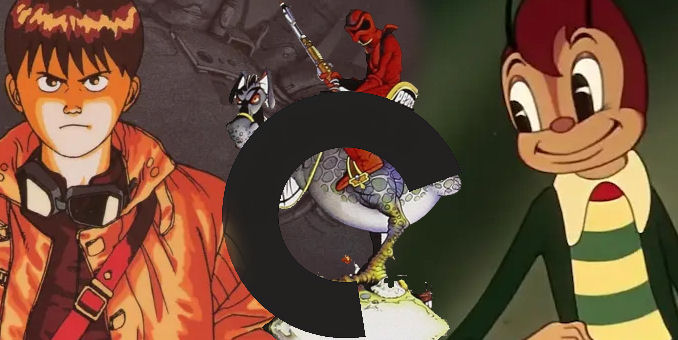
The recently announced news that the Netflix animated hit K-Pop Demon Hunters was going to get a blu-ray/4K disc release through the boutique physical medial label the Criterion Collection led to two conversations amongst Criterion fans. The first was whether or not a recent hit like K-Pop Demon Hunters met the Criterion’s mission goal to “important classic and contemporary films from around the world in editions that offer the highest technical quality and award-winning, original supplements.” The two Academy Awards that the film has won certainly seem to support the argument that the film should be made part of the Collection.
The second conversation that sprung up centered on the lack of animated films represented in the Collection. As of now, there are just nine animated features available in the approximately 1800 films that currently make up their catalog, literally .5% of the total titles. As a genre of filmmaking, there can be no doubt that animation is underrepresented. Much of that is due to major studios holding many of the animated films that would fit the criteria to be in the Criterion Collection and refusing to license them out. (The only reason PIXAR’s Wall-E is available in the Criterion Collection is due to the insistence of director Andrew Stanton.) But setting the licensing consideration aside, there are certainly a number of animated films that rise to the qualifications that the label looks for in their releases. Here are some suggestions.

The Adventures of Prince Achmed
Written and directed by German animator Lotte Reiniger, this 1926 film is the earliest surviving animated feature film. (The two feature length animated films that preceded Prince Achmed – Argentine director Quirino Cristiani’s El Apóstol (1917) and Sin Dejar Rastros (1918) – are both lost.) Taking three years to produce using a cardboard silhouette-style animation design, the film tells its story of an Arabian prince who travels to a magical island called Wak Wak, fights an evil sorcerer and helps a young man by the name of Aladdin regain his castle and the love of his life, Achmed’s sister.
Reiniger developed a number of techniques for the film including an early version of the multiplane camera that would later be used by the Fleischer Brothers and Disney studios in their early films. The Adventures of Prince Achmed was restored in 1999 and is currently available in a standard DVD and blu-ray disc release. But a Criterion release could add a commentary track from an animation or film historian and some featurettes on Reinger’s life and the turbulent time that Germany was entering into.
Akira
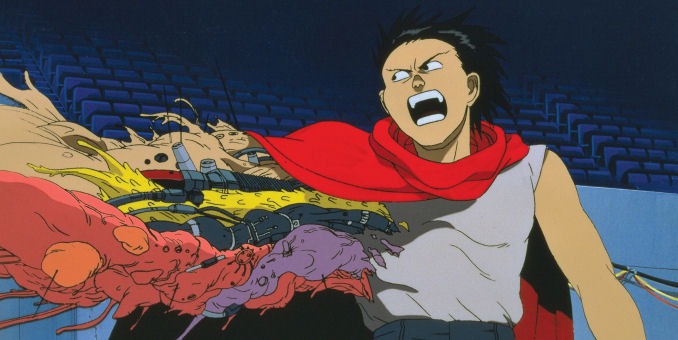
OK, this entry is a bit of a cheat. Katsuhiro Otomo’s 1988 anime adapting his 1982 manga was previously released by Criterion in 1992 on laserdisc. Akira would be Criterion’s first animated release and would remain its only until their release of Wes Anderson’s The Fantastic Mr. Fox in 2014. However, it is long overdue for a return in blu-ray form.
Last year, Cruchyroll released a 4K version of the film which featured a new scan of its original film elements. But outside of that, the package was fairly sparse in terms of special features, the very thing that Criterion releases often excel at. And, like with The Adventures of Prince Achmed, a Criterion Collection release could add a commentary track and a few featurettes that would help contextualize the film’s iconic place in anime history.
Memoir Of A Snail
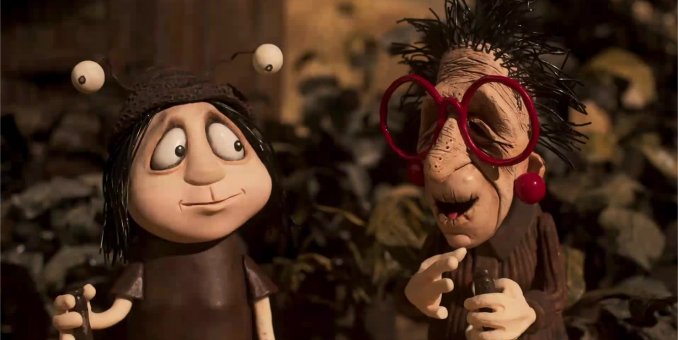
When most people think about animation they picture either hand-drawn or computer-generated films and sorts. But there are a number of notable stop-motion animated films out there to be discovered like director Adam Elliot’s Memoirs Of A Snail. A semi-autobiographical story of an orphaned girl, separated from her twin brother and forced to deal with her trauma and depression pretty much on her own. Nearly universally acclaimed by critics and audiences, the film was in contention for awards from critics groups to the Oscars. (It lost its Best Animated Feature Academy Award to Flow, which is currently one of the few animated films in the Criterion Collection.)
Mr Bug Goes To Town
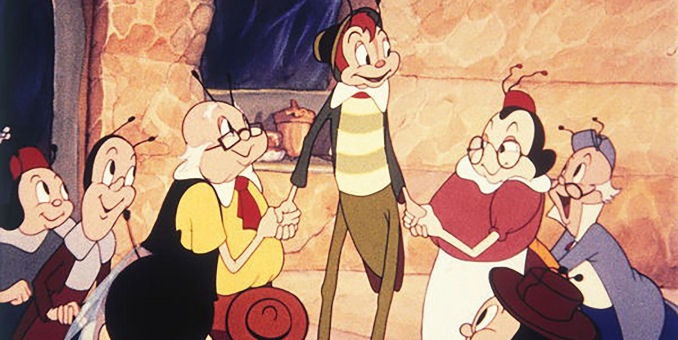
The second, and unfortunately last, feature from the Fleischer Studios, who gave us Betty Boop, Popeye and others. The film’s theatrical rollout coincided with the early days of America’s involvement in World War Two, and so audiences were not lining up for a whimsical tale of a grasshopper and the travails of his city-dwelling bug friends. The film was a financial flop, and led Fleischer Studios owner Paramount Pictures to reorganize the animation production house, with studio founders Max and Dave Fleischer leaving and Paramount renaming it Famous Studios
Reportedly, Paramount has done a 4K restoration of the film, which Kino Lorber was set to release in early 2024 on blu-ray. However, the boutique label cancelled their plans after they determined that an over use of Digital Noise Removal in the restoration process negatively affected the film’s look. Currently there is a push to restore the early Fleischer Studio work, and perhaps a collaboration between that group, Paramount and Criterion can be the combo that gets the film out for animation fans and historians to enjoy.
Persepolis
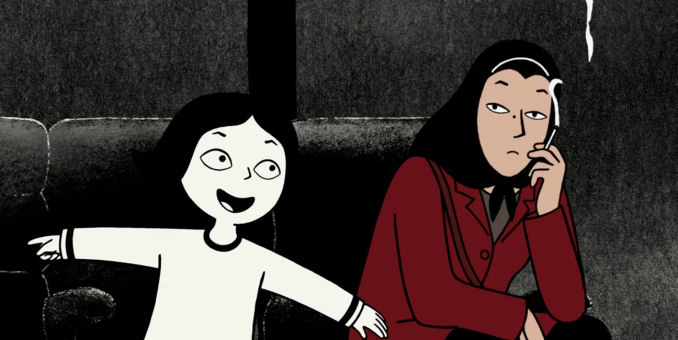
A stunning and faithful adaptation of her own autobiographical graphic novel, Marjane Satrapi’s Persepolis tells the story of a teenager coming of age during the 1979 Islamic Revolution in Iran, watching as the freedoms that her family enjoyed under the Shaw get slowly stripped away by the Islamic Revolution. Serving as co-writer/director alongside Vincent Paronnaud, Satrapi manages to bring her 341-page story to the screen balancing the personal coming-of-age story of a young woman struggling to define herself against the unfolding political upheaval that leads to a government that basically rejects her personhood. At turns humorous and heartbreaking, harrowing and heartwarming, Persepolis seems like an obvious choice to help Criterion in expanding its animated titles.
Ralph Bakshi Box Set
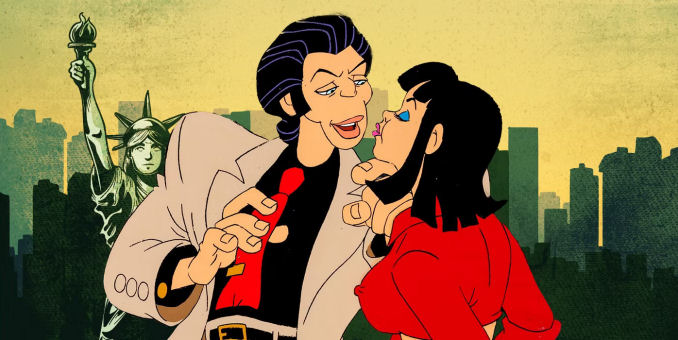
One of the most influential animators of the 1970s and `80s was Ralph Bakshi. An iconoclast in virtually every sense of the word, Bakshi brought the spirit and bravura of the underground comics movement to animation, setting the field on its ear by pushing the boundaries of what kind of stories could be told in the form. Alternately hated and embraced by critics, Bakshi’s early films experimented with rotoscoping and combining live action backgrounds over animated characters, while his storytelling pushed the medium into dealing with more adult themes and subjects.
The nine films from the animator may be scattered across a number of rights holders, but a collection of them all, or even nearly all, in one place would allow a comprehensive overview of Bakshi’s barrier-breaking impact on animation.
UPA Double Feature: 1001 Arabian Nights/ Gay Purr-ee
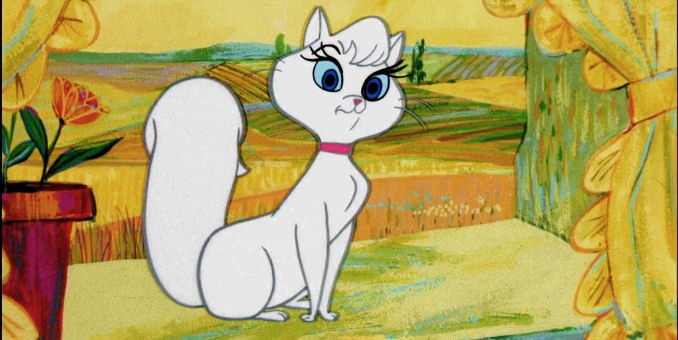
Following the 1941 strike of animators at the Walt Disney Studio, Disney layout artist John Hubley led a number of animators from the studio to establish a new company which would come to be known as United Productions of America. Inspired by Chuck Jones’ “The Dover Boys” (1942) short from Warner Brothers, Hubley and his cohorts were chaffing against the Disney mandate that cartoons had to have a sense of realism to their design and animation and wanted to experiment with a more stylized look for the stories that they wanted to tell.
Although he company would start off producing industrial and World War II training films, they would eventually grow and create the Mr. Magoo theatrical shorts series and The Gerald McBoing-Boing Show for CBS. But the studio would only produce a pair of animated feature films – 1001 Arabian Nights (1959) and Gay Purr-ee (1962). 1001 Arabian Nights was the more successful of the two films, perhaps in part due to the inclusion of the studio’s nearsighted star Mr. Magoo as Aladin’s uncle Abdul Azziz Magoo. Oddly though, it has only been released on DVD. A set featuring restored versions of both films could help shine a light on the influential studio that many these days have forgotten about.
White Snake Enchantress
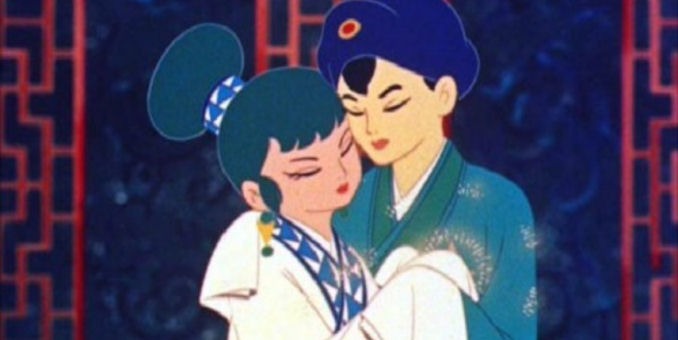
One of the earliest anime feature films, and the first anime feature in color, White Snake Enchantress is an adaptation of the Song dynasty Chinese folktale “Legend of the White Snake,” a love story between a Chinese man and a snake spirit. The story is considered one of China’s Four Great Folktales. White Snake Enchantress It is also the first feature-length anime’s from long time studio Toei Animation. The studio would go on to be the home for such anime franchises as Space Pirate Harlock, Dragonball and Sailor Moon. Considered one of the foundational films in anime history, adding it to the Criterion Collection certainly seems like an obvious decision.
Yellow Submarine
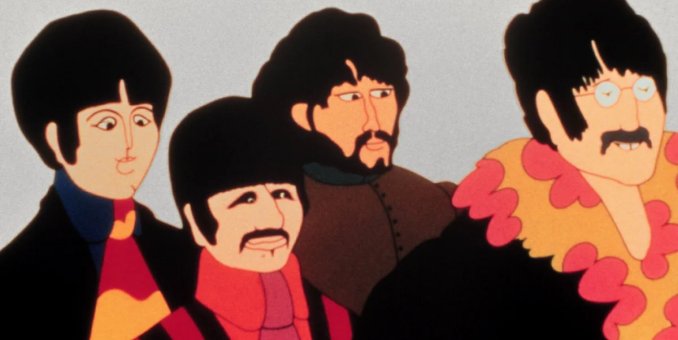
1968’s Yellow Submarine was not the first time that British pop icons The Beatles were animated, but the film was a marked departure from the animated sitcom bearing their name that aired on ABC a few years earlier. Yellow Submarine is a full embrace of the psychedelic pop art movement currently en vogue. That, combined with some of the Beatles most adventurous musical compositions, helped to propel the film to became a weekend midnight movie programming staple long after it’s initial theatrical run had ended.
In the mid-1980s, Yellow Submarine producer Al Brodax took a second stab at making an animated Beatles-inspired jukebox musical with Strawberry Fields. The film would have been a fusion of traditional hand-drawn animation and early computer-generated animation. After obtaining rights to the actual Beatles recordings fell through, Brodax recruited a number of pop stars to record their own versions, leading to songs from Michael Jackson (“Come Together”). Cyndi Lauper (“Across The Universe”), Cheap Trick (“Magical Mystery Tour”) and Crosby, Stills & Nash (“Blackbird”). Unfortunately, the film was only a third of the way through production when it had burned through its entire budget, so the plug was pulled. Although the finished footage is floating around online, a cleaned up version and a short documentary about the making of the unfinished film would make a great supplemental feature for a Yellow Submarine Criterion release.


